


Why vinyl is making a comeback in electronic dance music culture
In an era where music is more accessible than ever, it might seem surprising that vinyl records—a format once considered obsolete—are making a powerful comeback. Yet across the electronic dance music (EDM) scene, vinyl is not only returning but thriving. From underground techno clubs to bedroom collectors, a growing number of DJs and fans are embracing analog sound in a digital world. This resurgence isn’t just about nostalgia—it reflects deeper cultural, artistic, and sonic values within the EDM community.
The Tangible Experience Of Music
One of the biggest reasons vinyl is regaining popularity is the physical connection it offers. Streaming platforms provide instant access to millions of tracks, but they lack the tactile experience that vinyl delivers. Holding a record, studying the artwork, and placing the needle on the groove creates a ritual that many EDM fans find meaningful.
In a genre often associated with digital production and futuristic sounds, vinyl introduces a grounded, human element. It transforms music consumption into an intentional act rather than passive listening. For collectors, each record tells a story—where it was found, when it was played, and how it fits into their personal journey through electronic music.
Superior Sound And Analog Warmth
Sound quality is another major factor driving vinyl’s comeback. While digital formats prioritize convenience and compression, vinyl offers a warmer, richer listening experience. This is particularly appealing in electronic music, where subtle textures, basslines, and atmospheric layers play a crucial role.
Genres like house, techno, and ambient often benefit from the depth and character that analog playback provides. Many producers even master tracks specifically for vinyl to preserve these nuances. For audiophiles and dedicated fans, the difference is noticeable—and worth the extra effort.
Vinyl Culture In DJing
Vinyl has always held a special place in DJ culture, and that connection remains strong today. While digital controllers and USB drives dominate mainstream performances, many DJs continue to use vinyl for its authenticity and skill-based appeal.
Mixing records requires precision, timing, and a deep understanding of music structure. There’s no sync button—just the DJ, the turntables, and the crowd. This hands-on approach resonates with purists who value craftsmanship over convenience.
In underground scenes, vinyl DJing is often seen as a badge of credibility. It signals dedication to the art form and respect for its roots. As a result, more emerging DJs are learning to mix on turntables, contributing to vinyl’s ongoing revival.
The Influence Of Underground Scenes
The resurgence of vinyl is closely tied to the growth of underground electronic music scenes. In cities around the world, intimate clubs and independent labels are prioritizing authenticity over mass appeal. Vinyl fits naturally into this ethos.
Limited pressings, white labels, and exclusive releases create a sense of rarity and community. Owning a record that isn’t available on streaming platforms gives fans a unique connection to the music and the artists behind it.
These underground movements often drive broader trends in EDM. As vinyl gains traction in these spaces, its influence spreads to larger audiences, festivals, and even mainstream artists.
Collectibility And Exclusivity
Vinyl records also appeal to the collector mindset. Unlike digital files, which can be duplicated endlessly, vinyl releases are often produced in limited quantities. This scarcity adds value and excitement.
For EDM fans, collecting vinyl can become a passion. Hunting for rare pressings, discovering hidden gems, and building a curated library all contribute to the experience. It’s not just about listening—it’s about ownership and identity.
Many online stores now cater to this growing demand, offering curated selections for both new and seasoned collectors. For those looking to explore or expand their collection, browsing vinyl records at Evergreen Vinyl can be a great starting point, especially for fans seeking quality pressings across genres.
A Reaction Against Digital Saturation
The digital age has made music more accessible, but it has also led to oversaturation. With thousands of tracks released daily, it’s easy for music to feel disposable. Vinyl offers a counterbalance to this trend.
Because records require more effort to produce and purchase, they encourage a more selective approach. Fans tend to invest in music they truly value, leading to deeper appreciation and longer-lasting connections.
In this sense, vinyl represents a shift from quantity to quality. It aligns with a broader cultural movement toward mindfulness and intentional consumption—something that resonates strongly within parts of the EDM community.
Supporting Artists And Independent Labels
Buying vinyl is also a more direct way to support artists and labels. Streaming platforms often pay minimal royalties, making it difficult for independent creators to sustain their work. Vinyl sales, on the other hand, provide more meaningful revenue.
This is particularly important in electronic music, where many artists operate outside mainstream channels. By purchasing records, fans contribute to the sustainability of the scene and help keep underground culture alive.
Independent labels frequently release music exclusively on vinyl, further strengthening this ecosystem. These releases often showcase cutting-edge sounds and emerging talent, making vinyl an essential medium for discovery.
The Aesthetic Appeal Of Vinyl
Beyond sound and culture, vinyl has an undeniable aesthetic appeal. Record sleeves often feature striking artwork, typography, and design that reflect the music inside. For EDM, this visual element can be especially powerful, complementing the genre’s emphasis on atmosphere and emotion.
Displaying records at home or in a studio adds a personal touch that digital libraries simply can’t match. For many fans, vinyl becomes part of their living space and creative environment.
This visual dimension also plays a role in social media and branding. Artists and DJs frequently share their collections, reinforcing vinyl’s status as both a musical and cultural symbol.
Bridging Generations Of EDM Fans
Another fascinating aspect of vinyl’s comeback is its ability to connect different generations of EDM fans. Older listeners who grew up with records are rediscovering the format, while younger audiences are experiencing it for the first time.
This crossover creates a shared appreciation that transcends age. It also helps preserve the history of electronic music, from early house and techno to modern experimental sounds.
By engaging with vinyl, newer fans gain insight into the roots of the genre and the evolution of its culture. This continuity strengthens the overall EDM community and keeps its legacy alive.
The Future Of Vinyl In EDM
While vinyl may never replace digital formats in terms of convenience, its role in electronic dance music is clearly expanding. Rather than competing with streaming, it complements it—offering a deeper, more immersive way to experience music.
As technology continues to evolve, the appeal of analog is likely to remain strong. Vinyl represents authenticity, intention, and connection—qualities that resonate deeply in a fast-paced digital world.
For EDM fans, DJs, and artists alike, vinyl is more than just a format. It’s a statement about how music should be experienced, valued, and shared. And as its resurgence continues, it’s clear that vinyl isn’t just making a comeback—it’s redefining its place in modern electronic music culture.
About The Author


What's your reaction?

Blond:ish announces vinyl made of cooking oil in effort to combat plastic waste
Blond:ish has put her best foot foward with her new vinyl material. Blond:ish has announced a vinyl
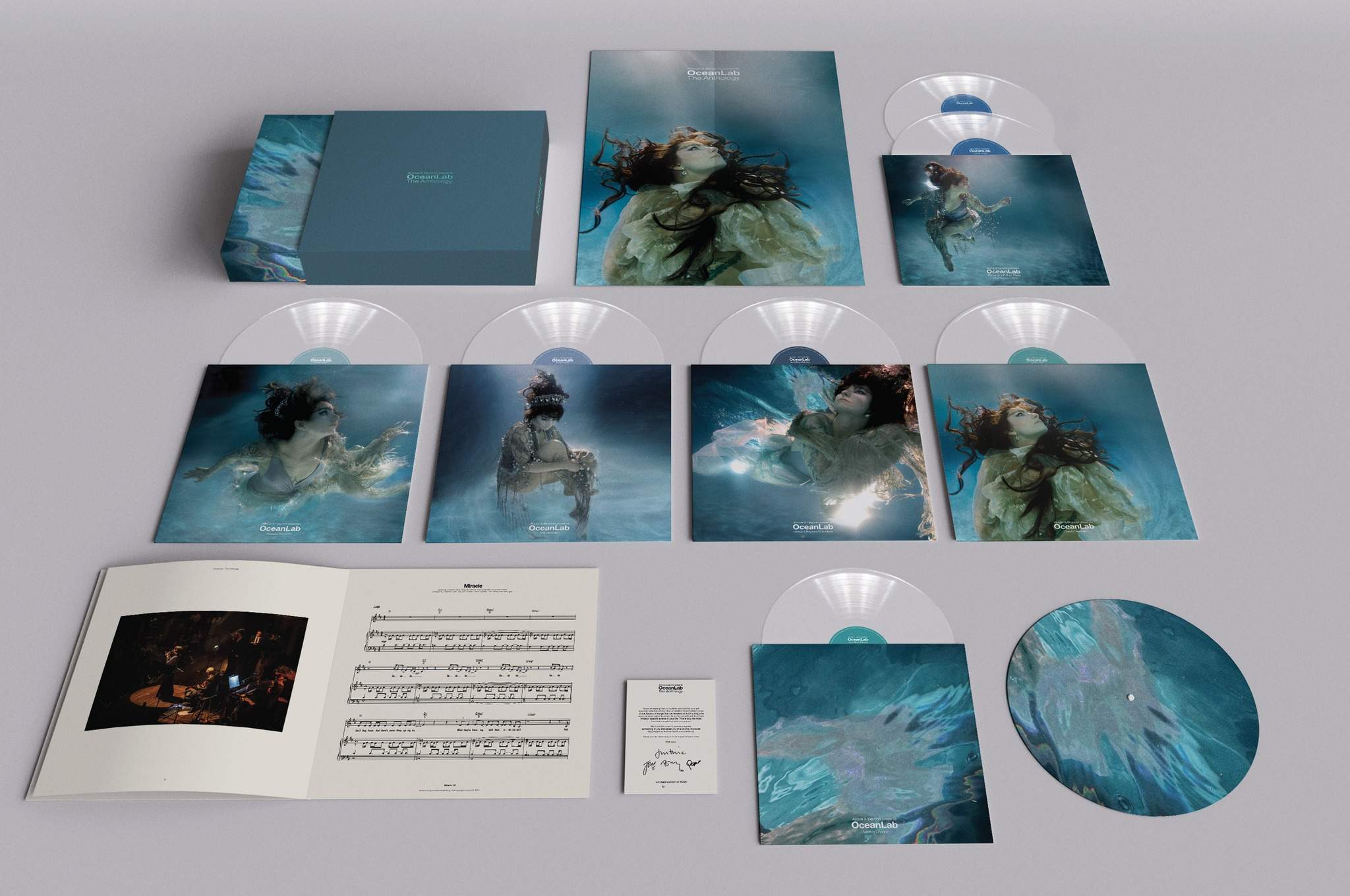
Above & Beyond Release Limited Edition Box Set with Justine Suissa to Honor OceanLab Alias
OceanLab has excited fans with Special box seT OFfering To celebrate OceanLab Alias, Above & Bey

MATADOR RELEASES PRIME TECHNO TRACK “BUSH” – [LISTEN]
Matador is back on the scene with another groundbreaking sonic masterpiece. As his second original t